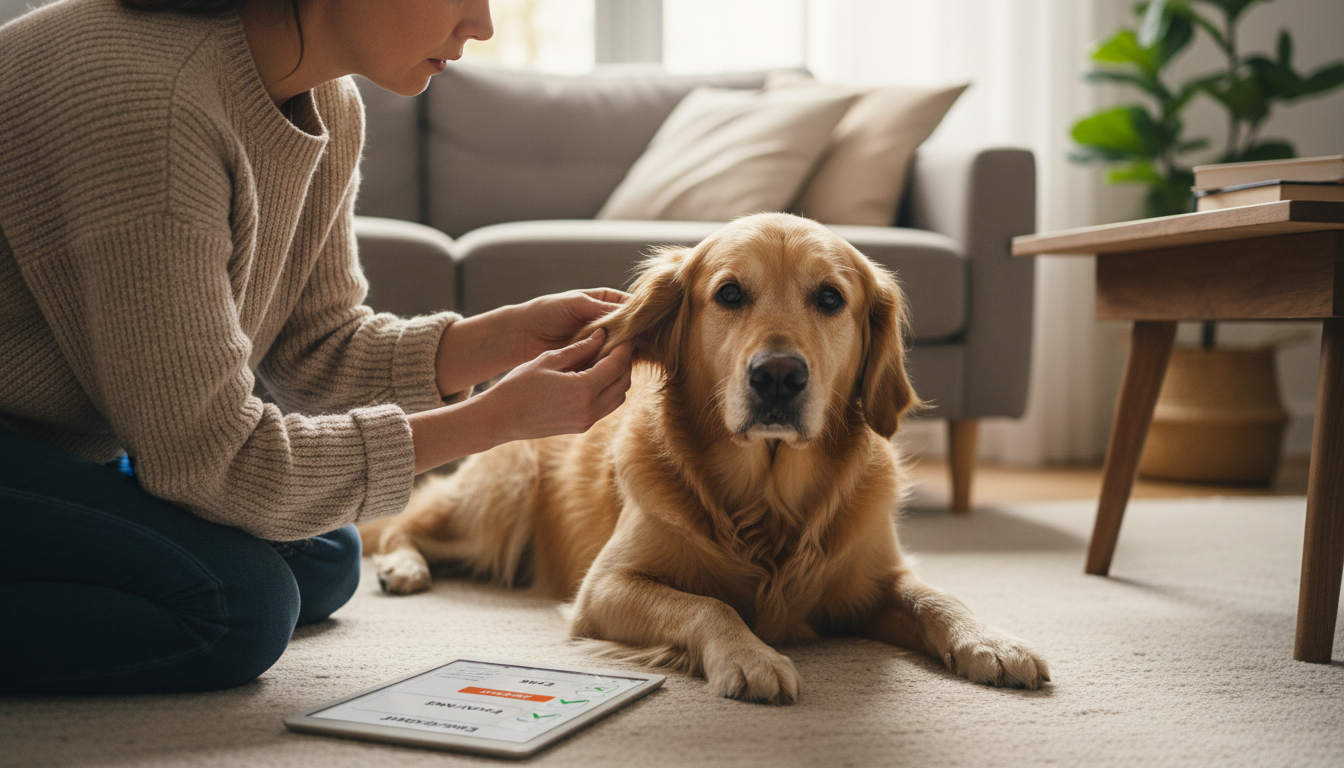
Every dog owner has experienced that sinking feeling: your normally energetic pup is suddenly lethargic, refusing food, or acting out of character. You wonder whether to rush to the emergency vet or wait it out until morning. A dog illness symptoms checker can bridge that gap by helping you assess your pet's condition, understand what various symptoms might indicate, and decide on the right course of action before the situation escalates.
The concept behind a canine symptom checker is straightforward. You input the symptoms your dog is displaying, and the tool cross-references them against a database of common dog diseases and conditions to suggest possible causes. These tools are not a replacement for professional veterinary care, but they serve as a valuable first step in understanding what might be going on with your dog's health and whether immediate attention is needed.
In this guide, we cover the most common dog illness symptoms every owner should recognize, compare the leading dog symptom checker tools and apps available in 2026, and explain when home monitoring is acceptable versus when a trip to the vet is non-negotiable.
Why Every Dog Owner Needs a Symptom Checker
Dogs are remarkably good at hiding discomfort. Evolutionary instincts drive them to mask pain and weakness, which means by the time symptoms become obvious to owners, a condition may have already progressed significantly. A dog health checker helps you stay ahead of problems by giving you the knowledge to recognize subtle changes in behavior, appetite, and physical appearance that might otherwise go unnoticed.
According to veterinary studies, early detection is one of the most significant factors in successful treatment outcomes for common dog diseases. Conditions like kidney disease, diabetes, and certain cancers respond far better to treatment when caught in their early stages. A pet symptom checker empowers you to identify warning signs sooner, potentially saving your dog from unnecessary suffering and saving you from significantly higher veterinary bills down the road.
Beyond early detection, symptom checkers help reduce unnecessary emergency vet visits for minor issues while ensuring you do not underestimate something serious. Understanding dog symptoms gives you the confidence to make informed decisions about your pet's care at any hour of the day.
Common Dog Illness Symptoms and What They Mean
Before diving into specific tools and apps, it helps to understand the most frequently reported dog sickness symptoms and the conditions they commonly point to. This dog symptom guide covers the warning signs that veterinarians say owners should never ignore.
Vomiting and Diarrhea
Occasional vomiting or a single episode of diarrhea is usually not cause for alarm and may result from dietary indiscretion, such as eating something they shouldn't have. However, persistent vomiting lasting more than 24 hours, bloody vomit or stool, or vomiting accompanied by lethargy and loss of appetite can indicate more serious conditions including pancreatitis, intestinal parasites, parvovirus (especially in puppies), kidney disease, or gastrointestinal obstruction from swallowing foreign objects.
Excessive Scratching and Skin Problems
If your dog is scratching constantly, chewing at their paws, or developing red and irritated patches on their skin, the most common culprits are environmental allergies, food sensitivities, flea infestations, bacterial or yeast skin infections, and contact dermatitis. Persistent skin issues that do not resolve with basic flea treatment warrant a veterinary examination, as some skin conditions can indicate underlying hormonal disorders like hypothyroidism or Cushing's disease. For flea-related concerns, our guide on flea and tick prevention covers the most effective treatment options.
Limping and Joint Pain
Sudden limping in dogs can result from a sprain, a cut on the paw pad, or a torn ligament. Gradual onset limping that worsens over time is more commonly associated with arthritis, hip dysplasia, or bone disease. In older dogs, persistent lameness that does not improve with rest should be evaluated by a veterinarian, as it can occasionally indicate bone cancer. For dogs already showing signs of joint stiffness, our review of the best glucosamine supplements for senior dogs outlines evidence-based options for joint support.
Changes in Appetite and Water Intake
A dog that suddenly stops eating or starts drinking excessive amounts of water is sending clear health signals. Loss of appetite can point to dental disease, gastrointestinal upset, pain, or systemic illness. Excessive thirst (polydipsia) paired with frequent urination is a hallmark sign of diabetes mellitus, kidney disease, Cushing's disease, and liver conditions. If your dog is drinking noticeably more water than usual for more than a day or two, a veterinary blood panel is strongly recommended.
Lethargy and Behavioral Changes
A normally playful dog that suddenly becomes withdrawn, sleeps excessively, or shows no interest in activities they usually enjoy may be experiencing pain, infection, anemia, heart disease, or the early stages of a more serious systemic illness. Behavioral changes are among the earliest and most important dog health warning signs because they often appear before more specific physical symptoms develop.
Coughing and Respiratory Issues
A persistent cough in dogs can indicate kennel cough (a highly contagious respiratory infection), heart disease (particularly in older small-breed dogs), tracheal collapse, pneumonia, or heartworm disease. A dry, honking cough is typical of tracheal issues, while a wet, productive cough often points to infection or fluid in the lungs. Any cough lasting more than a few days deserves veterinary evaluation.
Top Dog Symptom Checker Tools Compared (2026)
A growing number of dog health apps and online veterinary symptom checkers now help owners evaluate their pet's condition from home. We researched and compared the most widely used options based on database size, accuracy of suggestions, ease of use, and whether they connect to real veterinary professionals for follow-up consultations.
| Tool / App | Type | Vet Access | Symptom Database | Price | Best For |
|---|---|---|---|---|---|
| PetMD Symptom Checker | Web-based | No (info only) | 400+ conditions | Free | Quick reference |
| Vetster | App + Video | Yes (live vet) | Vet-guided | $30-70/consult | Online vet consultation |
| Pawp | App + Chat | Yes (24/7 chat) | AI + Vet team | $19/month | Ongoing pet health monitoring |
| AskVet | App + Chat | Yes (vet chat) | AI-powered | $9.99/month | Budget-friendly telemedicine |
| Whistle Health | Wearable + App | Yes (alerts) | Behavior tracking | $99 device + $10/mo | Dog health monitor with data |
How to Choose the Right Dog Symptom Checker
With multiple options available, selecting the right dog health assessment tool depends on your specific needs and how you prefer to interact with veterinary guidance. Here are the key factors to consider when comparing pet health checker options:
- Free vs. Paid: Free tools like PetMD are excellent for general reference and understanding dog symptoms, but they cannot provide personalized advice for your specific pet. Subscription services like Pawp and AskVet offer direct access to veterinary professionals who can evaluate your dog's individual situation.
- Symptom Database Depth: The value of any dog disease database depends on how comprehensive and up-to-date it is. Look for tools that cover a wide range of conditions across all dog breeds, ages, and sizes, rather than generic symptom lists that lack specificity.
- Veterinary Telemedicine Integration: If you want the ability to talk to a real veterinarian without leaving home, choose a tool that includes pet telemedicine or online vet consultation features. This is particularly valuable for after-hours concerns when your regular veterinarian is unavailable.
- Health Tracking and Monitoring: Wearable devices like Whistle go beyond symptom checking by continuously monitoring your dog's activity levels, sleep patterns, and behavior changes over time. This data-driven approach to dog health monitoring can detect subtle shifts that you might not notice on your own. For more on health-tracking wearables, see our review of smart collars that monitor heart rate.
- Breed-Specific Information: Some breeds are predisposed to specific conditions. The best dog illness guides and checkers account for breed-specific risk factors when generating their assessments.
How to Check Your Dog's Health at Home
While digital tools provide valuable guidance, every dog owner should know how to perform basic health checks at home. Regular at-home dog wellness checks help you establish a baseline for what is normal for your pet, making it easier to spot deviations that could signal a problem.
Weekly Physical Assessment
Set aside five minutes each week to run your hands over your dog's entire body. Feel for unusual lumps, bumps, or swellings. Check their ears for redness, discharge, or a foul odor, which can indicate ear infections. Look at their gums, which should be a healthy pink color. Pale, white, or yellow gums can indicate anemia, liver problems, or circulatory issues. Blue or gray gums suggest inadequate oxygen and require immediate veterinary attention.
Monitor Weight and Body Condition
Unexplained weight loss or weight gain is one of the most reliable early indicators of illness in dogs. Weigh your dog monthly and keep a log. A loss of more than 10 percent of body weight without a change in diet or exercise warrants a veterinary check. Similarly, rapid weight gain can indicate hypothyroidism, Cushing's disease, or fluid retention from heart or liver problems.
Track Daily Habits
Keep a mental or written note of your dog's typical eating, drinking, sleeping, and bathroom habits. A dog symptom tracker app can help with this. Changes in any of these patterns are often the first clue that something is off. How much water they drink, how often they urinate, the consistency of their stool, and their energy level throughout the day all provide important health data that can help your veterinarian if an appointment becomes necessary.
A dog symptom checker is a first step, not a final answer. These tools help you gather information and assess urgency, but they should never replace a hands-on examination by a licensed veterinarian. When in doubt, always err on the side of seeking professional care.
When to Skip the Symptom Checker and Go Straight to the Vet
While symptom checkers and pet health apps are useful for evaluating mild or ambiguous symptoms, certain situations demand immediate professional attention. Do not waste time with a dog diagnosis tool if your dog is experiencing any of the following:
- Difficulty breathing or rapid, labored panting that is not related to heat or exercise
- Seizures or uncontrollable trembling lasting more than a couple of minutes
- Inability to stand, walk, or maintain balance
- Bloated, hard abdomen with unsuccessful attempts to vomit (a sign of gastric dilatation-volvulus, a life-threatening emergency)
- Profuse bleeding that does not stop with direct pressure
- Suspected poisoning from ingesting toxic substances, plants, or medications
- Loss of consciousness or collapse
- Straining to urinate with no urine production (especially in male dogs, this can indicate a urinary blockage)
These symptoms represent medical emergencies where every minute counts. Have your nearest emergency veterinary hospital's contact information saved in your phone so you can act without delay.
The Role of Pet Telemedicine in Modern Dog Care
Pet telemedicine has transformed how dog owners access veterinary guidance. Online vet consultation services allow you to video-call or chat with licensed veterinarians from home, often within minutes. This is particularly valuable for after-hours concerns, mobility-limited owners, rural areas with limited veterinary access, and situations where you need quick professional input on whether a symptom warrants an in-person visit.
Most pet telehealth services can help with symptom triage, medication questions, behavioral concerns, nutrition advice, and post-surgical follow-up. They cannot perform physical examinations, run diagnostics, or prescribe controlled medications, so they work best as a complement to your regular veterinary relationship rather than a replacement for it.
If your dog has existing health conditions that require monitoring, combining a telemedicine subscription with a comprehensive pet insurance plan ensures you have both preventive guidance and financial coverage when more serious treatment is needed.
Building a Complete Dog Health Monitoring System
The most proactive dog owners combine multiple tools and habits to create a comprehensive health monitoring approach. Here is what a well-rounded dog health assessment strategy looks like in practice:
- Regular veterinary check-ups at least once per year (twice for senior dogs over seven years old) for professional examinations, blood panels, and dental cleanings
- A reliable dog symptom checker app on your phone for quick reference when unusual symptoms appear
- Weekly at-home physical checks covering body condition, ears, teeth, eyes, and coat
- A pet health tracker or smart collar that monitors activity, sleep, and behavioral patterns to detect gradual changes
- Pet insurance to ensure cost is never a barrier to seeking necessary veterinary care
- A pet telehealth subscription for after-hours questions and non-emergency guidance
This layered approach ensures you catch problems early, get professional guidance when you need it, and never have to choose between your dog's health and your financial stability. For help choosing the right insurance coverage, our best pet insurance for dogs in 2026 review breaks down the top options by coverage, cost, and claim experience.
Final Thoughts on Dog Illness Symptom Checking
Knowing how to tell if your dog is sick is one of the most important skills a pet owner can develop. A dog illness symptoms checker gives you a structured way to evaluate what you are seeing, understand potential causes, and make an informed decision about next steps. Combined with regular veterinary care, at-home monitoring, and the growing ecosystem of pet health apps and telemedicine services, you have more tools than ever to keep your dog healthy and catch problems before they become serious.
The key is consistency. Establish a routine of regular health checks, pay attention to changes in your dog's behavior and habits, and do not hesitate to seek professional advice when something feels off. Your dog cannot tell you when something is wrong, but with the right knowledge and tools, you can learn to read the signs they are giving you.
For more information on keeping your dog healthy, explore our smart health devices guide for wearable monitors and tracking technology, or browse our pet supplements guide for evidence-based nutritional support options.