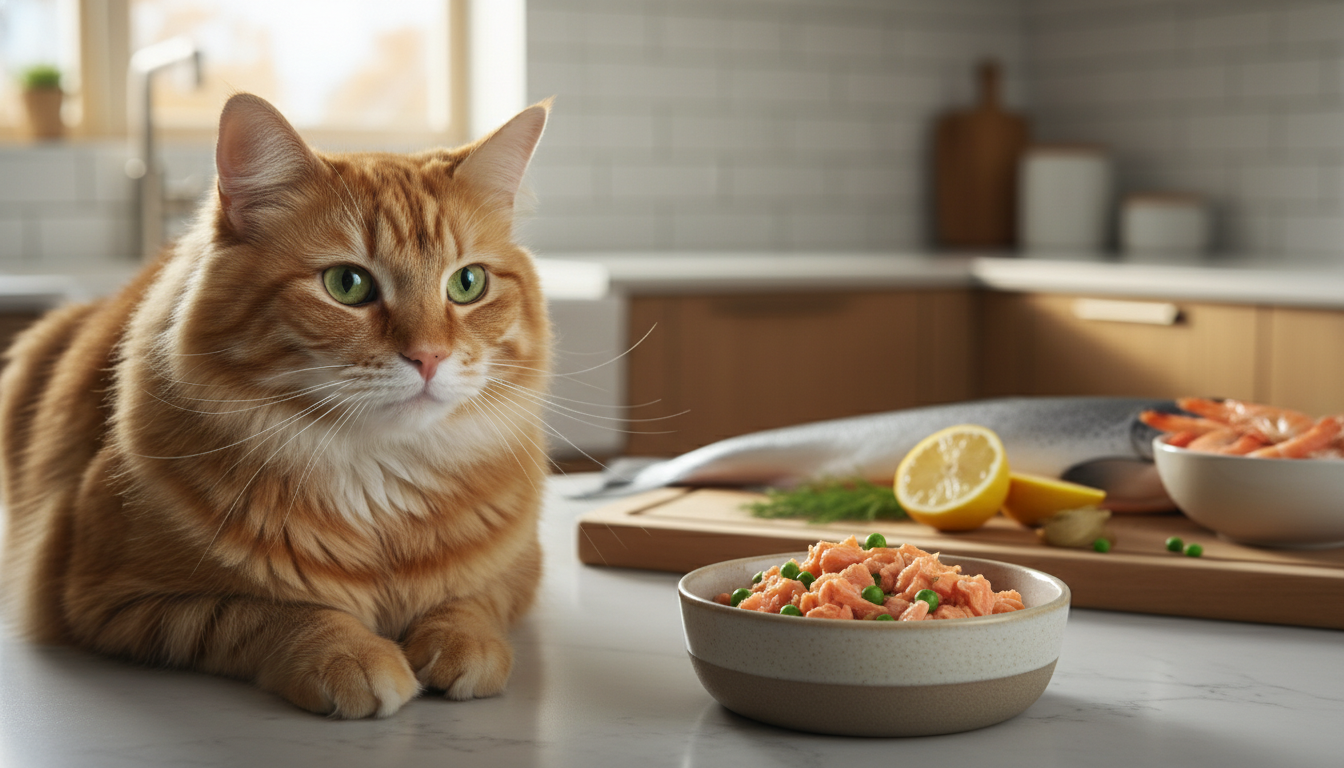
Cats are not small dogs. This fundamental fact of feline biology means that many of the ingredients commonly found in commercial cat food can be far more problematic for cats than they would be for their canine counterparts. As obligate carnivores, cats have evolved to derive their nutrition almost exclusively from animal tissue, and their bodies process proteins, fats, and carbohydrates very differently from omnivorous species.
Yet many widely available cat foods are formulated with cost efficiency rather than feline biology in mind. Plant-based protein fillers, carrageenan thickeners, artificial additives, and inadequate taurine levels are just some of the ingredient concerns that cat owners should understand when evaluating their pet's diet. A cat eating nutritionally inappropriate food may not show obvious symptoms immediately, but over months and years, dietary deficiencies and inappropriate ingredients can contribute to serious health conditions including urinary tract disease, kidney problems, obesity, and heart disease.
In this guide, we identify the specific cat food ingredients that veterinary nutritionists most commonly recommend avoiding, explain why each is particularly concerning for feline health, and highlight brands that consistently meet higher nutritional standards for cats.
Why Cat Nutrition Requires Different Standards Than Dog Food
Understanding why cats have unique dietary needs is essential before evaluating specific ingredients. As obligate carnivores, cats have several biological requirements that set them apart from dogs and other pets:
- Taurine dependency: Cats cannot synthesize sufficient taurine from other amino acids and must obtain it directly from their diet. Taurine is found almost exclusively in animal tissue. A taurine deficiency can lead to dilated cardiomyopathy (a serious heart condition), retinal degeneration leading to blindness, and reproductive problems.
- Higher protein requirements: Cats need significantly more protein than dogs. AAFCO minimum protein for adult cats is 26 percent (compared to 18 percent for dogs), and many veterinary nutritionists recommend even higher levels for optimal health.
- Limited carbohydrate processing: Cats lack the salivary enzyme amylase and have reduced intestinal and pancreatic amylase activity compared to dogs. While cats can metabolize some carbohydrates, diets high in carbohydrates may contribute to obesity and blood sugar dysregulation.
- Arachidonic acid requirement: Unlike dogs, cats cannot convert linoleic acid to arachidonic acid and must obtain it from animal fat sources. Plant-based fats cannot meet this requirement.
- Vitamin A from animal sources: Cats cannot convert beta-carotene from plants into active vitamin A and must receive preformed vitamin A from animal-derived ingredients.
These biological realities mean that cat food formulations heavy in plant-based ingredients are fundamentally misaligned with feline nutritional needs, even if they technically meet AAFCO minimums on paper.
Carrageenan and Thickeners in Wet Cat Food
Carrageenan is a seaweed-derived thickener widely used in canned and pouch-style cat foods to create the gel-like or gravy texture that many cats prefer. While it is classified as "generally recognized as safe" by the FDA, a growing body of research has raised questions about its effects on the gastrointestinal tract.
Laboratory studies have found that degraded carrageenan (sometimes called poligeenan) can trigger intestinal inflammation in animal models. While food-grade carrageenan is a different form, some researchers have expressed concern that the acidic environment of the stomach may partially degrade food-grade carrageenan into its more inflammatory form during digestion. The International Agency for Research on Cancer has classified degraded carrageenan as a possible human carcinogen, though the applicability of this classification to food-grade carrageenan in pet food remains debated.
For cat owners who want to err on the side of caution, carrageenan-free wet foods are available from several manufacturers. Other thickeners used in cat food include guar gum, xanthan gum, and locust bean gum, which have not generated the same level of concern in the research literature, though some cats with sensitive digestive systems may not tolerate any gum-based thickeners well.
Plant Proteins That Fall Short for Obligate Carnivores
One of the most significant quality concerns in commercial cat food is the use of plant-based proteins to meet protein minimums at a lower cost than animal-derived protein. Common plant proteins found in cat food include corn gluten meal, soy protein isolate, pea protein, wheat gluten, and potato protein.
While these ingredients do contribute measurable protein to the guaranteed analysis, they provide an amino acid profile that is incomplete for cats. Plant proteins are typically low in taurine, arginine, and methionine, amino acids that are critical for feline health. A cat food that meets its protein minimums primarily through plant sources may technically comply with AAFCO standards while still failing to provide optimal nutrition for an obligate carnivore.
The practice of using multiple plant protein sources in a single formula can be particularly misleading. When pea protein, pea fiber, and pea starch all appear individually on the ingredient list, they may each rank below the named animal protein, but collectively they can constitute a larger proportion of the food than the animal protein. This technique, sometimes called ingredient splitting, makes the formula appear more meat-centric than it actually is.
Artificial Preservatives and Colors in Cat Food
The same artificial preservatives that raise concerns in dog food are equally problematic in cat food: BHA, BHT, and ethoxyquin. These synthetic antioxidants are used to prevent fat oxidation and extend shelf life, but their long-term safety profile has been questioned by independent researchers.
Artificial colors are particularly pointless in cat food. Cats have limited color vision compared to humans and do not select food based on its visual appearance. Dyes like Red 40, Yellow 5, and Blue 2 are added exclusively to appeal to human buyers and serve no nutritional or palatability function for the cat.
Additionally, propylene glycol, which is permitted in some dog food products, is explicitly banned by the FDA for use in cat food due to its association with Heinz body anemia in cats. Heinz bodies are damaged red blood cells that can lead to anemia and reduced oxygen-carrying capacity. This is a clear example of how an ingredient considered generally safe for dogs can be genuinely dangerous for cats, underscoring the importance of species-specific ingredient evaluation.
Low-Taurine Formulas and What That Means for Heart Health
Taurine is arguably the single most important nutrient to evaluate in any cat food. Unlike dogs, which can synthesize taurine from other amino acids, cats must receive adequate taurine directly from their diet. The consequences of taurine deficiency are severe and can include dilated cardiomyopathy (DCM), a life-threatening heart condition where the heart muscle weakens and cannot pump blood effectively, central retinal degeneration, which can lead to irreversible blindness, reproductive failure in breeding cats, and impaired immune function.
AAFCO requires a minimum of 0.1 percent taurine in dry cat food and 0.2 percent in wet cat food. However, these are minimums, and the bioavailability of taurine depends heavily on the protein source and processing methods used. Taurine is found naturally in high concentrations in muscle meat and organ tissue, particularly heart and liver. Cat foods that rely heavily on plant proteins or highly processed meat meals may contain lower bioavailable taurine than their guaranteed analysis suggests.
If you are feeding your cat a diet that is not predominantly based on animal protein, discuss taurine supplementation with your veterinarian. The consequences of taurine deficiency develop gradually and may not become clinically apparent until significant damage has already occurred.
How Poor Diet Contributes to Common Cat Health Issues
Many of the most common health conditions seen in domestic cats have dietary components that are worth understanding:
- Feline lower urinary tract disease (FLUTD): Diets high in magnesium, phosphorus, and certain minerals can contribute to the formation of urinary crystals and stones. Cats that eat exclusively dry food and do not drink enough water may also be at higher risk due to concentrated urine. For cats prone to urinary issues, our Hill's vs Royal Canin urinary care comparison covers therapeutic diet options.
- Obesity: High-carbohydrate cat foods can contribute to weight gain, particularly in indoor cats with limited physical activity. Cats evolved to derive energy primarily from protein and fat, and excessive carbohydrate intake may promote fat storage and insulin resistance.
- Chronic kidney disease (CKD): While the relationship between diet and CKD is complex, some research suggests that long-term consumption of very high-protein diets with poor-quality protein sources may stress the kidneys over time. Conversely, cats with established CKD benefit from controlled phosphorus and moderate high-quality protein. Our guide to food for pets with kidney disease covers renal diets in detail.
- Dental disease: Despite marketing claims, dry kibble does not meaningfully clean a cat's teeth. Some dry foods high in starch may actually contribute to tartar formation.
- Food allergies and sensitivities: Common cat food allergens include beef, fish, chicken, dairy, and wheat. Cats with recurring skin issues, ear infections, or gastrointestinal symptoms may benefit from a limited-ingredient diet or hydrolyzed protein formula.
Signs Your Cat's Diet May Need to Change
Cats are notoriously skilled at hiding discomfort, which makes it especially important to watch for subtle dietary-related symptoms:
- Frequent vomiting (more than occasional hairballs)
- Chronic diarrhea or consistently soft stools
- Excessive shedding or dull, greasy coat
- Recurring ear infections or skin irritation
- Unexplained weight gain despite measured feeding
- Lethargy or decreased playfulness
- Straining in the litter box or blood in urine
- Bad breath beyond normal levels
If your cat is showing any of these symptoms, a veterinary evaluation is the first step. Many of these issues can have non-dietary causes, but a diet assessment should be part of any comprehensive workup.
| Ingredient | Why It's Harmful for Cats | Health Concern | Safer Alternative |
|---|---|---|---|
| Carrageenan | May promote GI inflammation | Intestinal inflammation, possible carcinogen link | Guar gum, agar-agar, or no thickener |
| Corn gluten meal | Plant protein, incomplete amino acids for cats | Taurine deficiency risk, poor bioavailability | Named animal protein (chicken, turkey, fish) |
| Soy protein | Allergenic, phytoestrogens, low taurine | Allergies, hormonal disruption potential | Whole meat or organ-based protein |
| Propylene glycol | Banned in cat food by FDA | Heinz body anemia | Not applicable (should never be present) |
| Artificial colors | Zero nutritional value, cats can't see most colors | Potential sensitivity, unnecessary additive | No coloring needed |
| BHA / BHT | Synthetic preservatives | Associated with tumors in animal studies | Mixed tocopherols, rosemary extract |
| Excessive carbohydrates | Cats lack efficient carb metabolism | Obesity, blood sugar dysregulation | High-protein, low-carb formulas |
How to Evaluate Cat Food Labels for Quality
Reading a cat food label requires the same skills as evaluating dog food, with a few feline-specific considerations:
- Named animal protein first. The first ingredient should be a specific animal protein like "chicken," "turkey," "salmon," or "rabbit." Avoid formulas where the first ingredient is a grain, plant protein, or vague term like "meat by-products."
- Count the plant proteins. If multiple plant-based protein sources appear in the ingredient list, the formula may be relying on them to meet protein minimums rather than providing adequate animal-sourced amino acids.
- Check for taurine supplementation. High-quality cat foods with abundant animal protein naturally contain taurine, but supplemental taurine should also appear on the ingredient list as an added safeguard. Its presence is a positive indicator.
- Evaluate the carbohydrate load. Cat food labels do not list carbohydrate percentage directly, but you can estimate it by subtracting protein, fat, moisture, fiber, and ash percentages from 100. A carbohydrate content below 10 percent is ideal for most cats; above 25 percent is excessive.
- Look for the AAFCO statement. Ensure the food is formulated to meet AAFCO cat food nutrient profiles (not dog food profiles, which have different requirements). Feeding trial validation is preferable to formulation-only compliance.
Recommended Cat Food Brands Worth Considering
These brands consistently demonstrate higher ingredient standards, appropriate protein-to-carbohydrate ratios for obligate carnivores, and transparent sourcing practices:
| Brand | Primary Protein Source | Key Quality Features | Price Range |
|---|---|---|---|
| Tiki Cat | Whole fish, chicken | Low-carb, no carrageenan, shredded real meat | $$-$$$ |
| Weruva | Chicken, fish | Human-grade ingredients, carrageenan-free options | $$ |
| Wellness CORE | Turkey, chicken, fish | High protein, grain-free, no artificial preservatives | $$ |
| Instinct by Nature's Variety | Cage-free chicken, rabbit | Raw-boosted options, high animal protein content | $$-$$$ |
| Orijen Cat | Fresh regional meats | 85% animal ingredients, biologically appropriate | $$$ |
| Feline Natural | New Zealand meats | Freeze-dried raw, single-source proteins | $$$ |
For dog owners looking for similar ingredient guidance, our companion article on dog food ingredients to avoid covers the canine-specific considerations. And for a broader perspective on pet food regulation and how to verify recall history, our pet food safety guide covers both dogs and cats. If your cat requires a therapeutic diet for a specific condition, our prescription pet food guide covers veterinary-recommended options for urinary, kidney, and digestive conditions. For cats dealing with flea-related skin issues that may overlap with dietary sensitivities, our best flea treatment for indoor cats review covers effective treatment options.