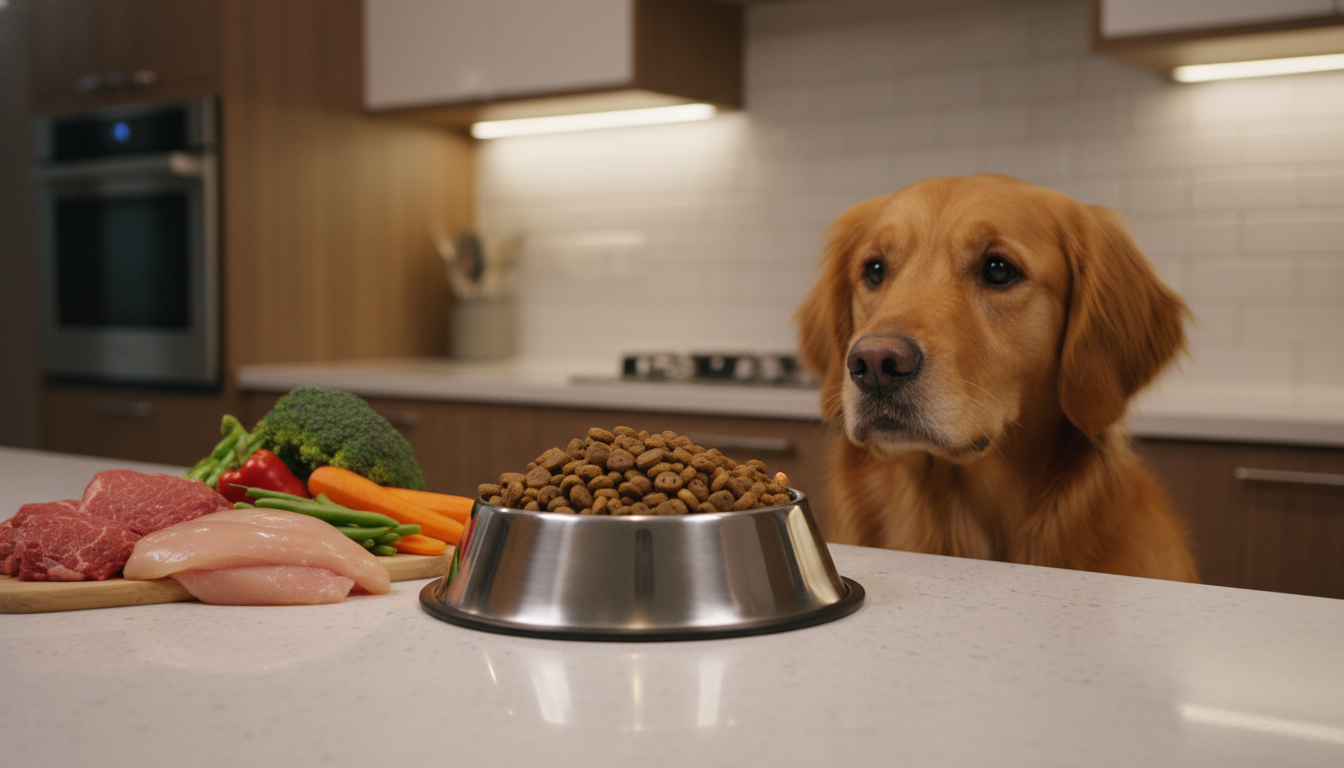
Walk down the pet food aisle at any grocery store or big-box retailer and you will find dozens of dog food brands competing for your attention with claims like "natural," "premium," and "veterinarian recommended." But flip those bags over and read the ingredient list, and a very different picture emerges. Many widely available dog foods contain ingredients that veterinary nutritionists and independent researchers have identified as potentially problematic for long-term canine health.
The challenge for most dog owners is not a lack of options but rather a lack of clarity. Pet food labeling regulations allow for marketing language that can obscure the true quality of ingredients, and without a background in animal nutrition, it is difficult to distinguish genuinely nutritious formulas from those that rely on cheap fillers, artificial additives, and low-quality protein sources.
In this guide, we identify the specific dog food ingredients that veterinary nutritionists most commonly recommend avoiding, explain why each one is concerning based on current research, and provide practical guidance on how to read dog food labels so you can make informed decisions about what goes into your dog's bowl.
Why Dog Food Ingredients Matter More Than Marketing
The ingredient list on a dog food package is the single most important piece of information available to consumers, far more revealing than the brand name, packaging design, or front-of-bag marketing claims. Ingredients are listed in descending order by weight before processing, which means the first few ingredients make up the largest portion of the food. Understanding what those ingredients actually are and what nutritional value they provide is the key to evaluating any dog food formula.
The pet food industry in the United States is regulated by the FDA and guided by standards set by the Association of American Feed Control Officials (AAFCO). However, AAFCO standards represent minimum nutritional requirements, not optimal ones. A food can be technically compliant with AAFCO guidelines while still containing ingredients that many veterinary professionals consider suboptimal for long-term health. This is why independent ingredient evaluation matters.
Artificial Preservatives to Watch For
Preservatives extend the shelf life of dry dog food by preventing fats from going rancid. While some preservatives are derived from natural sources and are considered safe, others have raised concerns in veterinary and nutritional research.
- BHA (butylated hydroxyanisole): A synthetic antioxidant used to preserve fats and oils. The National Toxicology Program has classified BHA as "reasonably anticipated to be a human carcinogen" based on animal studies showing tumor development at high doses. While the doses used in pet food are far lower than those in the studies, many veterinary nutritionists recommend choosing foods that use natural preservatives instead.
- BHT (butylated hydroxytoluene): A close chemical relative of BHA with a similar function. Research has produced mixed results, with some studies suggesting potential endocrine-disrupting effects at high doses. Like BHA, it remains legally permitted in pet food but is increasingly avoided by premium manufacturers.
- Ethoxyquin: Originally developed as a rubber stabilizer, ethoxyquin is used as a preservative in some pet foods and fish meal. The FDA requested additional safety data from manufacturers in 1997, and its use has declined significantly since then. It is rarely listed on labels directly but may be present in fish meal ingredients that were preserved with it before arriving at the pet food manufacturer.
Safer alternatives include mixed tocopherols (a form of vitamin E), rosemary extract, and ascorbic acid (vitamin C). These natural preservatives are effective at preventing oxidation and are widely used by higher-quality dog food manufacturers.
Meat By-Products, Rendered Meals, and Animal Digest
Protein quality varies enormously in dog food, and the terminology used on ingredient labels can obscure what your dog is actually eating. Understanding the hierarchy of protein ingredients is essential for evaluating any formula.
- Meat by-products: Defined by AAFCO as the non-rendered, clean parts of slaughtered mammals other than meat itself. This can include organs, blood, bone, and fatty tissue. While some organ meats are genuinely nutritious for dogs, the lack of specificity in the term means the actual composition can vary significantly between batches.
- Animal digest: A flavor enhancer made by chemically or enzymatically hydrolyzing unspecified animal tissues. The vague sourcing and heavy processing make it one of the least transparent protein-related ingredients in pet food. It is primarily used to improve palatability in lower-quality formulas.
- Generic "meat meal" or "animal meal": When the species of animal is not specified (as opposed to "chicken meal" or "salmon meal"), there is no way to know what animal source the protein came from. This lack of specificity is a significant quality concern and makes it impossible to identify potential allergens.
Higher-quality dog foods specify the protein source clearly. Look for named proteins like "deboned chicken," "salmon," or "beef" as the first ingredient, and named meals like "chicken meal" or "lamb meal" rather than generic terms.
Artificial Colors, Sweeteners, and Hidden Additives
Dogs do not choose their food based on color, and they do not need added sweeteners to find their meals appealing. These ingredients are included primarily to appeal to human consumers or to mask the unpalatability of low-quality base ingredients.
- Artificial colors (Red 40, Yellow 5, Yellow 6, Blue 2): Synthetic dyes serve no nutritional purpose and are added solely for visual appeal to human buyers. Some research has associated certain artificial food dyes with behavioral effects and hypersensitivity reactions, though the evidence in dogs specifically is limited.
- Corn syrup and sugar: Added sweeteners can contribute to obesity, dental disease, and in some cases may be associated with hyperactive behavior. They are sometimes used to make nutritionally poor food more palatable to dogs who would otherwise reject it.
- Propylene glycol: Used as a humectant to maintain moisture in semi-moist dog foods. While the FDA considers it "generally recognized as safe" for dogs in limited quantities, it is banned from cat food due to its association with Heinz body anemia in cats. Its presence in dog food is considered unnecessary by many nutritionists.
- Caramel color: A coloring agent that has been associated with the formation of 4-methylimidazole (4-MeI), a compound that has raised safety questions in some toxicological studies. Like other colorants, it provides no nutritional benefit.
Low-Value Fillers and Cheap Carbohydrate Sources
Dogs have no biological requirement for carbohydrates, though they can digest and utilize them as an energy source. The issue is not carbohydrates per se, but the quality and proportion of carbohydrate sources used in many budget-tier dog foods.
- Corn gluten meal: A by-product of corn processing that is used as an inexpensive plant-based protein source. While it provides some protein, its amino acid profile is incomplete compared to animal proteins, and it is a common allergen for dogs with food sensitivities.
- Soybean meal and soy protein: Another plant protein used to boost the guaranteed analysis numbers at a lower cost than animal protein. Soy is among the more common food allergens in dogs and may contain phytoestrogens that some researchers have suggested could affect hormonal balance over time.
- Brewers rice: The small, broken fragments of rice kernels left over after milling. While not harmful, it is a lower-quality and less nutritious carbohydrate source compared to whole grains like brown rice or oatmeal.
- Cellulose: Essentially powdered plant fiber, often derived from wood pulp. It is used as a filler to add bulk without calories. While small amounts can support digestive function, high levels may indicate that the formula is being padded with indigestible material.
The Grain-Free Debate and What the FDA Investigation Found
In 2018, the FDA began investigating a potential link between grain-free dog foods and dilated cardiomyopathy (DCM), a serious heart condition. The investigation focused on diets that replaced grains with high proportions of legumes (peas, lentils, chickpeas) and potatoes as primary carbohydrate and protein sources.
The FDA's findings suggested a statistical association between certain grain-free formulas and DCM cases, particularly in breeds not typically predisposed to the condition. The suspected mechanism involves the high legume content potentially interfering with taurine absorption or metabolism, though the exact cause has not been definitively established.
This does not mean all grain-free diets are dangerous. It means that diets where legumes or potatoes appear as one of the top ingredients deserve additional scrutiny. Dogs with documented grain allergies may still benefit from grain-free formulas, but the decision should be made in consultation with a veterinarian rather than based on marketing trends. For dogs with existing heart conditions or breeds predisposed to DCM, discussing diet choices with a veterinary cardiologist is advisable.
Signs Your Dog's Food May Be Affecting Their Health
Diet-related health issues often develop gradually, making them easy to attribute to other causes. Watch for these signs that your dog's food quality may be contributing to health problems:
- Chronic skin issues: Persistent itching, hot spots, ear infections, and dull or flaky coat can be associated with food allergies or sensitivities, particularly to common allergens like soy, corn, wheat, and certain proteins
- Digestive irregularities: Frequent loose stools, excessive gas, vomiting after meals, or inconsistent stool quality may indicate poor digestibility or ingredient sensitivities
- Low energy and lethargy: Dogs not receiving adequate nutrition from their food may show reduced energy levels, even with sufficient caloric intake
- Unexplained weight changes: Both obesity and unexplained weight loss can be related to food quality. High-filler, high-carbohydrate formulas can contribute to weight gain, while poor nutrient bioavailability can lead to weight loss despite adequate feeding
- Poor dental health and bad breath: While not solely diet-related, high-sugar and high-starch diets may contribute to faster tartar buildup and dental disease
If your dog is experiencing any of these symptoms, a dietary evaluation with your veterinarian is a good first step. For a broader look at identifying health issues in your dog, our dog illness symptoms checker covers a wide range of warning signs to watch for.
| Ingredient | What It Is | Why It's Concerning | What to Look for Instead |
|---|---|---|---|
| BHA / BHT | Synthetic preservatives | Associated with tumor development in some animal studies | Mixed tocopherols, rosemary extract |
| Ethoxyquin | Chemical preservative | Originally developed as rubber stabilizer; FDA requested more safety data | Vitamin E, ascorbic acid |
| Generic meat by-products | Unspecified animal parts | Inconsistent quality, unknown sourcing | Named protein (chicken, beef, salmon) |
| Animal digest | Hydrolyzed animal tissue | Unspecified source, heavy processing | Named protein, natural flavoring |
| Artificial colors | Red 40, Yellow 5/6, Blue 2 | No nutritional value, potential sensitivity concerns | No coloring needed |
| Corn syrup / Sugar | Added sweeteners | Associated with obesity and dental disease | No sweetener needed |
| Corn gluten meal | Plant protein by-product | Incomplete amino acids, common allergen | Whole grains, named animal protein |
| Soybean meal | Plant protein filler | Common allergen, phytoestrogen content | Named animal protein |
How to Read a Dog Food Label and Spot Red Flags
Learning to read a dog food label effectively is the single most impactful skill you can develop as a pet owner. Here is what to focus on:
- Check the first five ingredients. These make up the bulk of the food. You want to see a named animal protein as the first ingredient and ideally a second named protein source within the top five. If the top ingredients are predominantly grains, plant proteins, or vague terms like "meat meal," the protein quality is likely low.
- Look for the AAFCO nutritional adequacy statement. This statement confirms whether the food meets minimum nutritional standards and whether compliance was determined through feeding trials or formulation analysis. Feeding trials indicate that the food was actually tested on dogs, which is a stronger validation than formulation alone.
- Scan for artificial preservatives and colors. The presence of BHA, BHT, ethoxyquin, or artificial dyes anywhere in the ingredient list is a quality concern. Higher-quality foods preserve freshness with natural antioxidants.
- Count the plant protein sources. If multiple plant proteins appear in the ingredient list (pea protein, pea fiber, pea starch, potato protein), they may collectively outweigh the animal protein despite each appearing individually lower on the list. This practice, sometimes called "ingredient splitting," can make a formula appear more protein-rich from animal sources than it actually is.
- Check the guaranteed analysis. Minimum protein should be 18 percent or higher for adult dogs (26 percent for puppies), and minimum fat should be 5 percent or higher (8 percent for puppies). These are AAFCO minimums, and higher-quality foods typically exceed them.
No single ingredient makes a dog food "good" or "bad." The overall formulation, ingredient quality, and nutritional completeness matter more than any individual component. Use the ingredient list as one tool among several, alongside your veterinarian's guidance and your dog's individual health response.
Recommended Dog Food Brands That Meet Higher Standards
While we have focused on what to avoid, it is equally important to highlight brands that consistently demonstrate higher ingredient standards, transparent sourcing, and formulations that align with veterinary nutritional recommendations. These brands use named animal proteins as primary ingredients, avoid artificial preservatives and colors, and invest in quality control and third-party testing.
| Brand | Key Quality Indicators | Price Range | Best For |
|---|---|---|---|
| Orijen | Fresh regional ingredients, 85% animal protein, no artificial preservatives | $$$ | Active dogs, high-protein diets |
| Acana | Whole animal ingredients, limited processing, natural preservatives | $$-$$$ | Dogs needing moderate-to-high protein |
| Wellness CORE | Grain-free and grain-inclusive options, named proteins, no fillers | $$ | Variety of dietary needs |
| Merrick | Deboned meat first ingredient, whole grains available, US-sourced | $$ | Value-conscious quality seekers |
| Fromm | Family-owned, small-batch production, never recalled | $$-$$$ | Dogs with sensitive stomachs |
| Stella & Chewy's | Raw-inspired, freeze-dried options, single-source proteins | $$$ | Raw feeding enthusiasts |
For dogs with specific health conditions that require therapeutic nutrition, our guide to the best food for dogs with kidney disease covers veterinary-recommended prescription diets. And for a head-to-head comparison of two major prescription brands, see our Hill's vs Royal Canin urinary care review.
If you own a cat, the ingredient concerns overlap but are not identical. Cats have unique nutritional requirements as obligate carnivores that make certain ingredients even more problematic. Our companion article on cat food ingredients to avoid covers the feline-specific considerations. For a broader look at pet food regulation and contamination, our pet food safety guide explains how to verify whether your pet's food has been subject to any FDA recalls.